I remember Gscryptopia. Not fondly. Not with nostalgia.
It was a crypto exchange that blew up fast.
Then it vanished just as fast.
You’re here because you searched for Gscryptopia. You want to know what happened. Not the PR spin.
Not the vague forum posts. You want the straight version.
I’ve watched crypto exchanges rise and crash since 2017. I saw the red flags before the shutdowns. I tracked the withdrawals that stopped.
The support tickets that went unanswered. The tweets that got deleted.
This isn’t speculation. It’s timeline-based. It’s sourced.
It’s written for people who don’t trust headlines.
Why does any of this matter now? Because if you’re holding assets on a new exchange, or thinking about moving funds, you need to recognize the patterns. Gscryptopia didn’t collapse out of nowhere.
It followed a script. One we’ve seen before. And one we’ll see again.
You’ll get the full story here. No fluff. No guessing.
Just what happened, when it happened, and why it mattered.
What Was Gscryptopia?
I used Gscryptopia when it was live. It let people buy, sell, and trade crypto. Nothing fancy.
Just coins, prices, and a place to click.
It wasn’t built for whales or hedge funds. It was built for people who wanted to try Bitcoin or Ethereum without reading a 40-page manual. The interface didn’t ask you to configure API keys before letting you deposit $20.
People chose it because it worked. Fees were lower than the big US exchanges. You could trade Shiba Inu one minute and Cardano the next (no) waiting for approvals.
It ran out of New Zealand. But users came from everywhere. Australia.
Canada. The UK. Even some folks in Texas who hated KYC but liked the speed.
Crypto felt wild back then. Not like today’s compliance-heavy grind. More like showing up at a garage sale where someone’s selling Bitcoin for cash.
Was it perfect? No. Did it get hacked?
Not that I know of. Did it vanish slowly? Yeah.
(Most of them did.)
You remember that feeling (logging) in and seeing your balance jump 30% overnight? That’s what Gscryptopia rode. Not plan.
Not infrastructure. Just timing and simplicity.
And then one day (the) site went dark. No drama. No warning.
Just gone. Like most things built fast, for fun, in 2017.
When the Lights Went Out
I was checking my balance on a Tuesday morning. The app froze. Then it said “Service Unavailable.”
That was March 12, 2023.
A hack isn’t magic. It’s someone slipping in where they shouldn’t be. They got past the login walls.
They moved money out. Fast and quiet.
For a crypto exchange, that means real cash vanished. Not numbers on a screen. Real dollars, euros, yen.
Gone before anyone hit refresh.
People started screaming on Twitter. I saw one guy post: “My rent is in there. What do I do?”
Yeah.
That’s how fast it went from “huh” to “oh god.”
Gscryptopia didn’t say much at first.
Just “investigating.”
Which felt like watching smoke rise while nobody grabbed a hose.
You couldn’t withdraw. You couldn’t trade. You couldn’t even log in to see how bad it was.
I tried three times. Same error. Then I called my sister.
She’d put $8,400 in last week. She asked, “Is it gone?”
I didn’t know. But I knew it wasn’t good.
No warning. No backup plan visible. Just silence.
And a growing list of missing wallets.
That Tuesday didn’t end.
It just kept going.
What Happened After the Hack
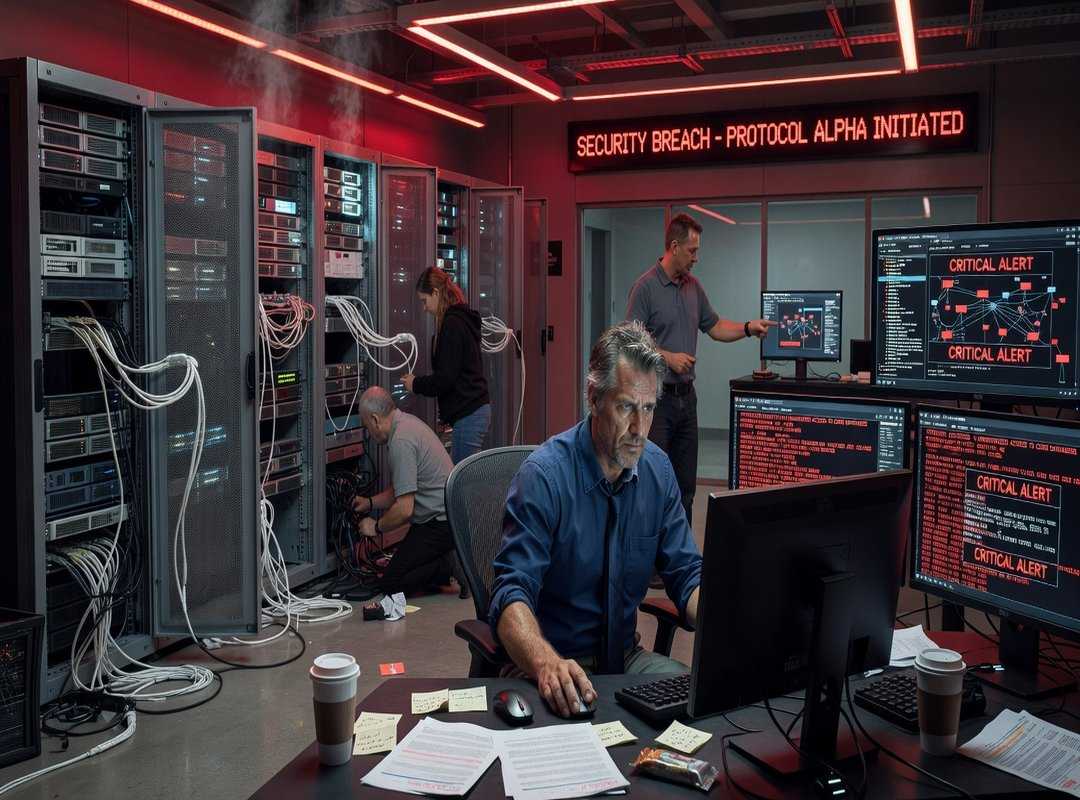
Gscryptopia shut down the same day the breach hit. No warning. No grace period.
Just a blank homepage and a single tweet saying “We are cooperating with authorities.”
I watched people refresh that page for hours.
Liquidators stepped in fast. But they weren’t rescuers. They were accountants with court orders.
Their job? Freeze what was left, not find your ETH.
You think they’re hunting stolen funds. They’re not. They’re valuing servers, reviewing contracts, and filing paperwork.
(Most of it’s unreadable.)
Users filed claims. Hundreds of them. Each one required KYC docs, transaction hashes, wallet addresses.
And proof you didn’t withdraw before the hack. Good luck finding that log from 2021.
Recovery took years. Not months. Years.
One user got 12 cents on the dollar (after) waiting 27 months.
Why so slow? Because crypto isn’t covered by FDIC. There’s no safety net.
No priority list. Just bankruptcy courts built for brick-and-mortar stores. Not decentralized protocols.
Did anyone go to jail? Not yet. Are funds coming back?
Some. Most won’t.
You still checking your email for an update? Yeah. Me too.
Gscryptopia Was a Wake-Up Call
I lost money when Gscryptopia collapsed.
You probably did too (or) know someone who did.
It happened because people trusted the exchange more than they trusted themselves.
Exchanges hold your crypto. But they don’t give you control.
That’s the core problem.
Not your keys, not your crypto means exactly what it sounds like. If you don’t hold the private keys, it’s not really yours. It’s like leaving cash in a stranger’s wallet and calling it yours.
(Yeah, I know. It sounds dumb when you say it out loud.)
Use strong passwords. Turn on two-factor authentication (real) 2FA, not SMS. And never keep all your crypto on an exchange.
Not even half.
For anything over $500? Move it to cold storage. That’s just a fancy term for offline storage (like) a hardware wallet.
It sits on your desk. It doesn’t touch the internet. It can’t be hacked remotely.
You’re asking yourself: How much should I keep on an exchange?
Answer: Only what you’re actively trading today.
Want to know which coins make sense for a small starter portfolio?
Check out Which Crypto to Invest in with 1000 Dollars Gscryptopia.
Cold storage isn’t optional for serious holders. It’s basic hygiene. Like locking your front door.
Ask yourself: Would I leave my paycheck in a bar’s safe overnight?
Then why leave crypto on an exchange?
Your Wallet Is Not a Parking Spot
I watched Gscryptopia vanish.
So did you.
You lost money. Or you got scared watching others lose it. That sting is real.
It’s not theoretical.
Insecure platforms don’t warn you before they collapse. They just go quiet. Your funds?
Gone. Locked. Forgotten.
The tips in this piece aren’t suggestions. They’re your first line of defense. Pick exchanges like you’re choosing a bank.
Not a casino. Turn on 2FA. Use hardware wallets.
Double-check URLs.
You already know better than to trust flashy promises.
So why keep doing it?
This isn’t about perfection.
It’s about refusing to repeat the same mistake.
Go check your current exchange right now. Is it audited? Does it hold your keys?
Does it have a clean track record?
If you can’t answer yes to all three. Move your coins.
Today.
Don’t wait for the next Gscryptopia.
You’ve seen what happens when you do.
Stay sharp. Stay skeptical. Move your money where it belongs: under your control.