
Where the Market Stands Now
Crypto markets are in flux. Bitcoin has been bouncing between $60K and $70K, while Ethereum hovers near the $3K mark. Altcoins are more erratic some rallying on project developments, others slipping into extended correction zones. It’s a mixed bag, but one with clear enough signals for those paying attention.
Key indicators point to a market still searching for direction. On chain data shows increased wallet activity and rising stablecoin inflows possible precursors to upward momentum. Meanwhile, the Bitcoin Fear & Greed Index has settled into “neutral,” suggesting the crowd isn’t entirely spooked, but isn’t charging in headfirst either.
There’s no uniform vibe in the air. Some traders are cautiously optimistic, citing institutional interest and ETF tailwinds. Others see shaky macro conditions and whisper bear market déjà vu. The truth? We’re straddling the mid line of the cycle. Not full bull. Not full bear. Just that tension heavy space in between where smart money starts plotting its next move.
Recognizing Bull Market Traits
Bull markets in crypto don’t ease in they explode. Prices can double in weeks, sometimes days. Volume surges, bandwidth gets tested, and coins you’ve never heard of triple overnight. Momentum feeds on itself. People rush in not because of fundamentals, but because they see green candles and don’t want to miss the train.
One major trait of bull phases? Retail wakes up. Search trends spike. Your cousin starts asking about wallets. Influencers go from quiet to nonstop. There’s a vibe shift from cautious optimism to straight up FOMO. Institutional money also tends to creep in before the real frenzy, buying early while retail piles in late.
Investor behavior in uptrends gets predictable too: overconfidence, herd moves, reckless leverage. When everything’s going up, risk management goes out the window. Greed takes the wheel.
Let’s look back at the 2020 2021 bull run. It kicked off with Bitcoin breaking all time highs, followed by Ethereum’s surge and an avalanche of interest in DeFi and NFTs. Dogecoin went mainstream. Coinbase went public. Robinhood became a household name. Gains were massive. But so were the risks hiding in plain sight.
A true bull market feels like it can’t end. That’s also how you know it eventually will.
Bear Cycle Red Flags
Not all downturns announce themselves with fireworks. Often, the signs of a cooling crypto market are quiet but clear: sharp price dips followed by long stretches of low volume and sideways movement. The hype evaporates. Tokens that once moved 10% daily now barely twitch. Momentum dries up.
Smart investors don’t wait for media headlines to catch up they read the tape early. They notice when buyer interest fades and when influencers suddenly stop posting those all time high screenshots. Community forums go quiet. Discords lose their buzz. The more seasoned know that bear markets don’t always crash in they fade in, slowly.
Looking back, past bear cycles offer a blueprint. After the 2017 bull run, Bitcoin bled out for months before truly bottoming. In 2021, altcoins roared one last time before sinking into silence. The early signals? Declining volume, failed recovery rallies, and a shift from risk on to risk off behavior.
Bear cycles test patience, not just portfolios. But for those paying attention, they also provide the best entry points for the next wave.
The Role of Global Economics
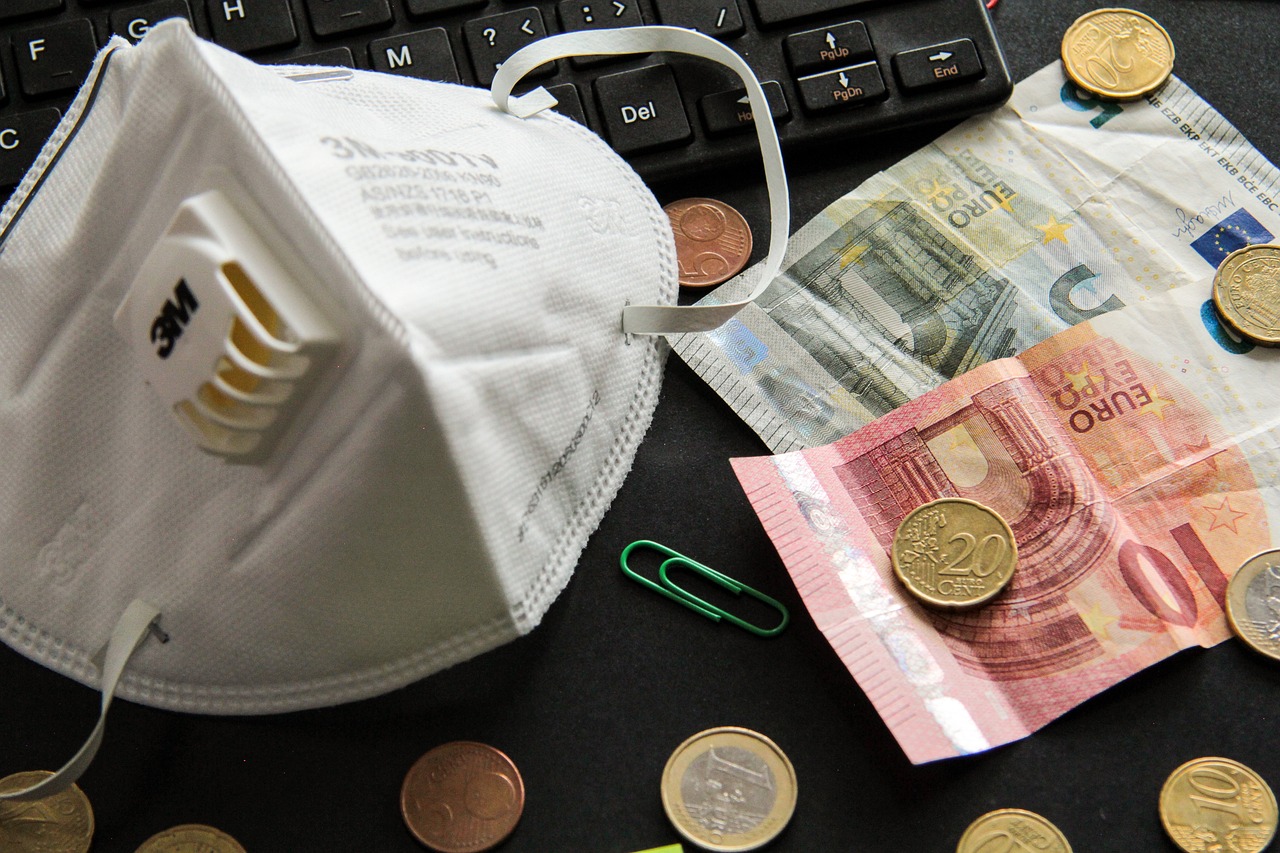
Crypto doesn’t move in a vacuum. Inflation spikes, central bank rate hikes, and shifting macro policies don’t just hit Wall Street they ripple into the blockchain. In the post 2020 era, Bitcoin isn’t just digital gold. It’s behaving more like a tech stock than a hedge, reacting to the same monetary pressures as traditional assets.
Take interest rates: when central banks raise them to fight inflation, liquidity tightens. That means less risk appetite across the board, and crypto feels the chill. When rates fall, the opposite happens capital flows back into speculative assets, and crypto climbs again. It’s macro shockwaves all the way down.
Institutional money is playing a bigger role in this dance, too. More funds are tying crypto strategies to economic outlooks. If a recession looms, they pivot. If inflation looks sticky, they brace. Retail investors? They’re following the same macro breadcrumbs.
To really get what’s behind these price moves, it helps to zoom out beyond the charts. For a full breakdown of what’s driving global markets and how it’s bleeding into crypto check out this deep dive on economic trends.
Investing Through the Cycle
Volatility isn’t the exception in crypto it’s the rule. So the real challenge isn’t predicting every up and down, it’s knowing how to move through them without losing your shirt or your mind.
One core strategy is dollar cost averaging (DCA). It sounds dull, but it works. Buying a fixed dollar amount at regular intervals helps smooth out the highs and lows. You avoid going all in at the top, or sitting on the sidelines during dips. It’s not sexy. But it’s consistent. And in crypto, consistency wins.
Then there’s HODLing. For long term believers, especially in blue chip coins like BTC and ETH, HODLing leans on the market’s repeated comebacks. You’re playing the multi year cycles, not timing a Tuesday afternoon spike. That said, blind holding isn’t smart either set time based goals, watch macro movements, and rebalance when needed.
Taking profits isn’t quitting it’s discipline. Smart investors skim gains when assets pump hard, then roll them into stablecoins or other positions. It isn’t about calling a top. It’s protecting gains and building dry powder for the next setup.
Knowing when to pivot vs when to stay the course is half instinct, half preparation. You don’t panic with every drop, but you also don’t cling to dead weight. Watch your fundamentals. Track market signals. And know your own risk tolerance better than your Twitter feed does.
What’s Fueling the Next Cycle
Crypto’s next big run isn’t going to be driven by memes or hype alone. The groundwork is being laid in quieter ways and it’s worth paying attention. Spot Bitcoin ETFs are finally gaining traction, opening the door for institutional money that’s been sitting on the sidelines. These aren’t retail traders chasing pumps this is long term capital looking for structured exposure. When that kind of money moves in, it doesn’t whisper.
Layer 2 solutions are also pushing the space forward. From Optimism to Arbitrum, scalability is no longer a theory it’s shipping. Transaction costs are coming down, speeds are going up, and developers are actually building real things people use. That’s a major signal of strength beneath the speculative surface.
Then there’s regulation or the foggy lack thereof. In the U.S., things are slow, messy, and contradictory. But globally, frameworks are tightening up. Clarity invites capital. Markets hate guessing games, and every headline good or bad shifts momentum. Whether governments fast track approvals or stall out, that swing matters.
Want to know when the tide really turns? Watch stablecoin inflows. Track Layer 2 user growth. Look for fewer rug pulls and more Series A funding. By the time it’s obvious, it’s already happening. Smart investors are watching signal over noise and staying ready.
Staying Informed, Staying Sharp
Seasoned crypto investors aren’t guessing they’re reading. And they’ve got the dashboards to prove it. From on chain data platforms like Glassnode and CryptoQuant to broader analytics tools like TradingView and Messari, pros are tracking everything from RSI and market cap flows to wallet activity and stablecoin dominance. When the noise gets loud, these tools cut through it.
But tools don’t replace discipline. Emotional control the ability to stay steady during spikes and sell offs is what separates long term winners from impulsive traders. Market cycles stir up hype. Real gains come from resisting it. That means sticking to your plan, not the Twitter thread of the week.
Zoom out, too. The smartest calls often come from understanding what’s happening in the world beyond Bitcoin. Interest rates, inflation signals, and international policy moves shape how capital flows into crypto. To see the whole picture, you need to connect your trading screen to macroeconomic reality. For starters, dig into this breakdown of global economic trends. It’s not just about coins. It’s about context.
Final Take: Pattern Over Panic
Market cycles in crypto aren’t new. They’re built into the DNA of this space: big run ups, sharp drawdowns, sideways stretches. It’s easy to mistake the pain of a bear market for permanent damage, or the euphoria of a bull for sustainable growth. But the cycle always turns sometimes slowly, sometimes overnight.
What separates the seasoned from the shaken is how they make sense of the noise. Headlines chase clicks. Data tells a quieter story. Dev activity, user adoption, liquidity trends these are the signals that matter when building conviction long term.
Adaptability is the real edge. The investors and builders who thrive are the ones who stay lean, curious, and ready to shift strategies as the cycle unfolds. The market doesn’t owe clarity. But patterns emerge for those who pay attention. And in crypto, the edge lies in seeing beyond the panic and positioning yourself before the rest catch on.