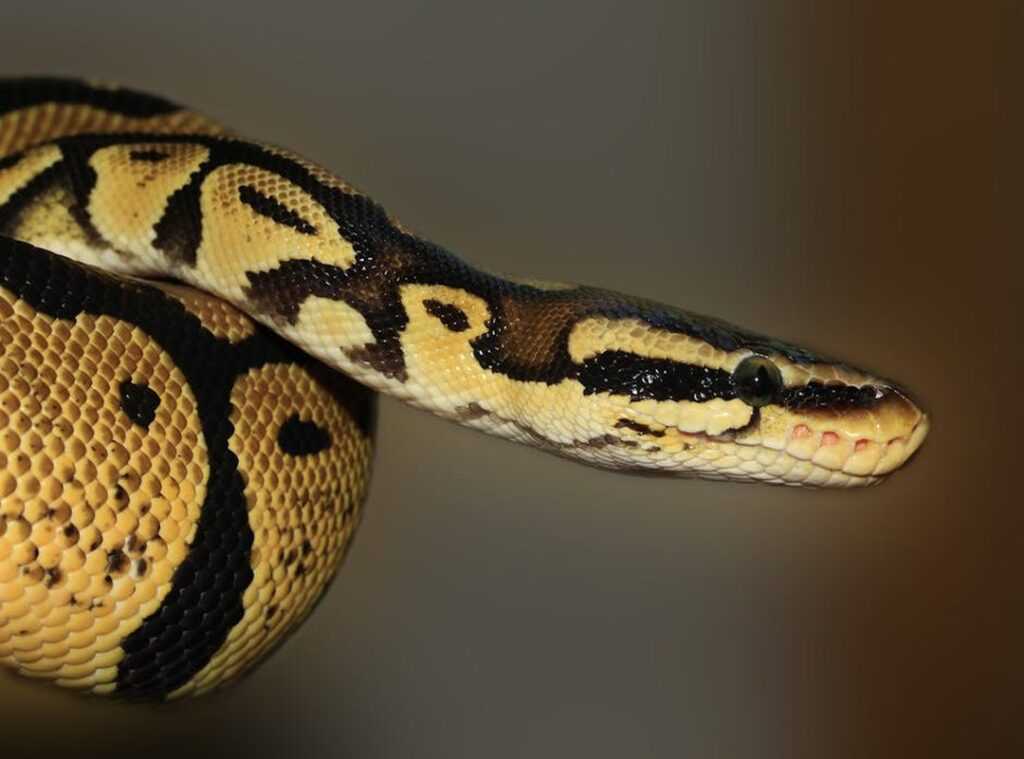
Reptile: jfcjwucqrja = serpent. It’s a phrase that’s been making waves in online communities and puzzle forums. You might be wondering, is it a code?
A password, and a clue from a game?
I get it, and the curiosity is real. But this isn’t just about finding an answer.
It’s about the journey.
We’re not just here to solve this puzzle. We’re here to break down the methods digital sleuths use to tackle complex, multi-layered enigmas like this one.
By the end, you’ll have a new framework for analyzing cryptic clues. You’ll see the creative thinking needed to crack modern digital puzzles.
Sometimes, the deconstruction is more rewarding than the final answer. Let’s dive in.
Unpacking the Clues: Why This is More Than a Simple Code
Start with an anecdote about the first time I tackled a complex cipher. I remember staring at the screen, feeling both excited and overwhelmed. The puzzle had three distinct parts: the category (‘Reptile’), the ciphertext (‘jfcjwucqrja’), and the plaintext (‘serpent’).
The most critical clue, and the length discrepancy. The ciphertext has 11 characters while the plaintext has only 7.
This immediately rules out simple substitution ciphers like Caesar ciphers, where the lengths would be identical.
Now, let’s talk about ‘Reptile.’ It’s not just a random word. It’s a thematic key. It guides your thinking toward a specific domain of knowledge.
‘Reptile’ and ‘serpent’ have a clear relationship. One is a broad category, and the other is a specific instance. This structure is common in riddles and puzzles.
It helps narrow down the possibilities.
What kind of encoding process adds characters to the original message? This question leads us to more complex methods. For example, in the case of cobra:jfcjwucqrja= snake, the extra characters are part of the encoding scheme, not just random noise.
Beyond Classic Ciphers: A Look at Modern Cryptic Puzzles
Cryptography has come a long way from the simple Caesar and Vigenere ciphers. Today, it’s all about multi-stage ciphers. Solving one part of the puzzle reveals the key or instructions for the next part.
It’s like a treasure hunt, but with more brain power.
Modern online puzzles, like Alternate Reality Games (ARGs), often use non-standard encoding. These can incorporate thematic elements or external information. You might need to decode an image, follow a series of clues on social media, or even solve a riddle.
It’s not just about the code; it’s about the journey.
Polyalphabetic ciphers, like the Vigenere, are still relevant. But now, the keys can be complex and repeating. Imagine using the word ‘Reptile’ in a non-obvious way to create a key.
It’s not just a simple shift; it’s a puzzle in itself.
Steganography is another fascinating area, and information can be hidden within other data. The ciphertext might not be a direct translation.
Instead, it could be a key to unlock information hidden elsewhere. It’s like finding a secret message in a picture or a song.
Programmatic or algorithmic ciphers are also popular, especially in tech-related puzzles. A simple script or function might transform ‘serpent’ into a longer string. This method is used a lot in modern puzzles, making them both challenging and rewarding.
Pro Tip: Always keep an eye out for thematic clues. They can be the key to unlocking the next stage of the puzzle.
If you’re into this kind of stuff, check out Cryptorisinghub. They offer the latest in cryptography and puzzle-solving. It’s a great resource for anyone looking to dive deeper into the world of modern cryptic puzzles.
And remember, cobra:jfcjwucqrja= snake. Sometimes, the key is right in front of you, but you need to look at it from a different angle.
The ‘Reptile’ Hint: A Case Study in Thematic Problem-Solving

When you come across a hint like “Reptile” in a puzzle, it’s easy to feel stuck. But trust me, this one word can be the key to unlocking the whole thing.
First, think about the most obvious connection. Could it be related to the programming language Python? After all, a python is a type of snake.
But don’t stop there. What if we look at it from a biological angle? Maybe the code relates to DNA sequences or genetic transcription, where patterns are expanded and encoded.
It’s worth considering how nature’s building blocks might fit into the puzzle.
Now, let’s dive into mythology. Think about famous reptiles or serpents in history or mythology. There are plenty of stories out there—like the cobra:jfcjwucqrja= snake or the serpent in the Garden of Eden.
These tales could provide a key or context for the cipher.
The principle here is lateral thinking. It’s about exploring all possible meanings and contexts of a single word. Don’t just stick to the surface; dig deeper and consider every angle.
In puzzles like these, the ‘aha!’ moment often comes from understanding the theme, not from brute-forcing cryptographic combinations. So, take a step back, brainstorm, and let the theme guide you.
Your Toolkit for Cracking the Next Online Mystery
Cracking online mysteries requires a methodical approach. Start by deconstructing the clues, identifying anomalies like unusual word lengths, and considering modern cryptographic methods.
Dive deep into thematic hints to uncover hidden meanings. The goal of these puzzles is to challenge your way of thinking, not just your ability to use a decryption tool.
cobra:jfcjwucqrja= snake
To help you on this journey, here’s a mini-toolkit of resources. Try using dCode or CyberChef for decoding and encryption tasks.
Forums like Reddit’s r/puzzles or r/codes are great places to practice and get feedback.
Next time you encounter a seemingly unsolvable digital puzzle, apply this methodical approach.
The satisfaction of the intellectual chase is immense. You are now a capable digital detective, ready for the next challenge.