Crypto looks like math homework written by aliens. I get it. It’s confusing.
It’s loud. It’s everywhere and nobody explains it like a human.
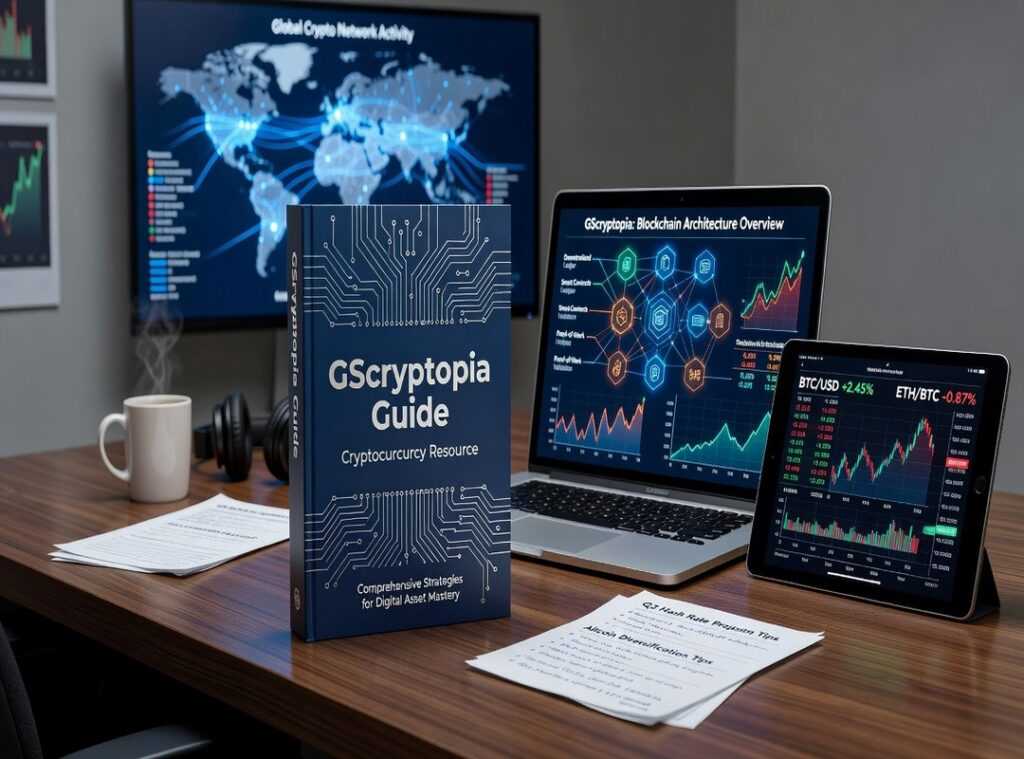
This is the Cryptocurrency Guide Gscryptopia. Not a textbook. Not a sales pitch.
Just clear, direct answers.
I’ve watched people shut down after hearing “blockchain,” “decentralized ledger,” or “proof of work.”
(Yes, those terms are real. No, you don’t need them to start.)
I’ll tell you what crypto actually is. Not what marketers say it is. How it moves.
Who controls it (spoiler: not one person). Why your cousin keeps texting you about Bitcoin at 2 a.m.
You won’t walk away knowing how to code a smart contract. But you will understand enough to ask better questions. To spot hype from substance.
To talk about it without faking confidence.
This guide is for beginners. No jargon unless I explain it first. No assumptions about what you already know.
You’re here because you want clarity (not) complexity.
That’s exactly what you’ll get.
What Is Cryptocurrency, Really?
It’s digital money. Plain and simple.
You’ve used Venmo or Zelle. Cryptocurrency is like that, but it doesn’t live in a bank account and no government prints it. (Not even the Fed.)
It’s decentralized. That means no single person, company, or country owns or controls it. Not Visa.
Not the IRS. Not Elon.
Blockchain is the tech behind it. Think of it as a shared, unchangeable notebook. Every transaction gets written down.
Everyone has a copy. No one can rip out a page or scribble over it.
Bitcoin started it. Ethereum built on it. You don’t need to understand code to use either (just) like you don’t need to know how Wi-Fi works to stream Netflix.
This isn’t monopoly money. People buy coffee with it. Pay freelancers.
Hold it like gold. Some lose it. Some gain.
That’s real.
You’re probably wondering: Can I actually use this? Yes. If you know where to start.
I wrote the Cryptocurrency Guide Gscryptopia to cut through the noise. It walks you through setup, safety, and what not to do (all) in plain English. learn more
You don’t need a finance degree.
You don’t need to trust a stranger with your keys.
You just need to know where the line is between smart risk and dumb luck.
And yeah (it) moves fast. But the basics? They’re boringly simple.
Start there.
How Crypto Actually Moves Money
I send you Bitcoin. You get it. No bank sits in the middle.
That transaction goes into a public digital record book called the blockchain. It’s not magic. It’s just code running on thousands of computers worldwide.
Someone has to confirm that transfer happened. That’s mining or staking. Like digital detectives checking receipts before filing them.
Mining uses raw computing power. Staking locks up coins as a promise to play fair.
You hold your crypto in a wallet. It’s not a place where coins sit. It’s a pair of keys: one public (like your account number), one private (like your password).
Lose that private key? You’re locked out. Forever.
Once your transaction hits the blockchain, it’s set in stone. You can’t undo it. You can’t fake it.
That permanence is why people trust it (and) why you better double-check who you’re sending to.
Is it faster than banks? Sometimes. Cheaper?
Often. But not always. Safer?
Depends on whether you keep your keys safe.
This isn’t theoretical. I’ve sent ETH across borders in under a minute. Also lost $20 once because I pasted the wrong address.
(Yes, that hurts.)
Want the full picture without the hype? The Cryptocurrency Guide Gscryptopia walks through real moves (not) textbook fluff.
Why People Actually Care About Crypto

I send money to my cousin in Manila. It takes three days. Fees eat $25.
Crypto moves in minutes. Costs pennies.
That’s not magic. It’s math. And it pisses off banks.
Financial freedom? It means no one freezes your account because they don’t like your politics. No one asks why you moved $500.
You hold it. You send it. Done.
You think that’s risky? Try explaining a wire transfer to your grandma.
Some people buy bitcoin hoping it goes up. Same reason they bought Apple stock in 2010. Or gold in 2008.
Or tulip bulbs in 1637. (Okay, maybe not that last one.)
Blockchain isn’t just for money. Think land titles in Honduras. Medical records in Chicago.
Voting in Oregon. Real stuff. Not hype.
It feels new. Because it is.
Not all of it works yet. A lot of it’s broken. But the idea (that) money doesn’t need a gatekeeper.
Sticks.
If you’re weighing whether to Invest bitcoin gscryptopia, start small. Read the Invest bitcoin gscryptopia page. Not as gospel.
As one take.
This isn’t a get-rich-quick guide. It’s a Cryptocurrency Guide Gscryptopia. Plain, unpolished, and built for people who’ve already lost patience with jargon.
You want control. You want speed. You want options.
So do I.
Crypto Is Not a Piggy Bank
I bought Bitcoin in 2021. It dropped 70% six months later. You will too.
If you’re not ready.
Crypto prices swing like a door in a hurricane. One day you’re up. Next day you’re down.
No warning. No apology. That’s not volatility (that’s) the default setting.
Your private keys are your front door key, your safe combo, and your ID card (all) rolled into one. Lose them? You’re locked out forever.
Share them? Someone walks right in and takes everything. Scammers don’t knock.
They text. They DM. They impersonate support.
And yes (they) always sound urgent.
Governments are still arguing over whether crypto is money, property, or a security. That means rules change fast. A new law can freeze exchanges.
Tax rules shift without notice. You get no memo.
So only invest what you can lose (truly) lose. Not “what you can afford to lose” as a polite phrase. I mean cash you’d be fine burning in a fireplace.
Because sometimes it feels that way.
Do your own research. Not Reddit threads. Not influencer tweets.
Read whitepapers. Test wallets. Try sending $1 first.
Then $10. Then decide.
For more grounded, no-bullshit Cryptocurrency advice gscryptopia, start there.
You Know Enough to Start
You get it now. Cryptocurrency is digital money. It runs on blockchain.
You need a wallet. And you must stay cautious.
That’s the core. No fluff. No jargon.
Just what you asked for when you searched Cryptocurrency Guide Gscryptopia.
You came here confused.
You leave with clarity.
So what’s next? Start small. Buy five dollars worth.
Read one article this week. Watch one video. Follow one real news source.
Not influencers.
Don’t wait until you “know it all.”
You never will.
Nobody does.
Learning isn’t about finishing.
It’s about moving forward. Even slowly.
Your fear was not knowing. Now you do. So go try something.
Hit that wallet app. Type in your first amount. Click send.
That’s how it begins.