Artistic nude photography isn’t just about taking pictures of naked people. It’s a celebration of the human form, focusing on aesthetics like line, shape, texture, and light. This genre elevates the body to a canvas for storytelling and emotional expression.
In this article, I’ll explore the history, defining characteristics, and techniques that make artistic nude photography a respected art form. We’ll look at how photographers use the human body to convey deep emotions and narratives.
Vulnerability and trust are key in this type of photography. The relationship between the photographer and the subject is crucial. It’s a delicate balance that requires respect and understanding.
By the end, you’ll have a deeper appreciation for how the human body can be a powerful tool for artistic expression. Let’s dive in.
A Brief History: From Classical Painting to Modern Photography
The genre of the nude in art has deep roots. Think about Greek sculptures and Renaissance paintings. They legitimized the nude as a form of artistic expression.
Then came the 19th and early 20th centuries. Photography emerged, and pioneers like Edward Weston and Man Ray took the lead. They didn’t just document; they explored abstraction and form.
The body became a compositional element.
Surrealism and modernism were key turning points. These movements pushed photographers to see the human form in new, innovative ways.
Societal attitudes have shifted over time. What was once taboo is now more accepted. This change has opened up new possibilities for artists.
Contemporary artists continue to push boundaries. They build on the rich history of the wbery nude, offering fresh perspectives and techniques. Understanding this history can give you a deeper appreciation for the art.
It helps you see how far we’ve come and where we might go next.
What Defines ‘Artistic’ in Nude Photography?
When it comes to nude photography, the line between art and something else can be blurry. The first thing to consider is intent and concept. If the photographer aims to tell a story or express an idea, that’s a good start.
Composition plays a huge role. Think about the rule of thirds, leading lines, and framing. These principles guide the viewer’s eye and create a balanced, visually appealing image.
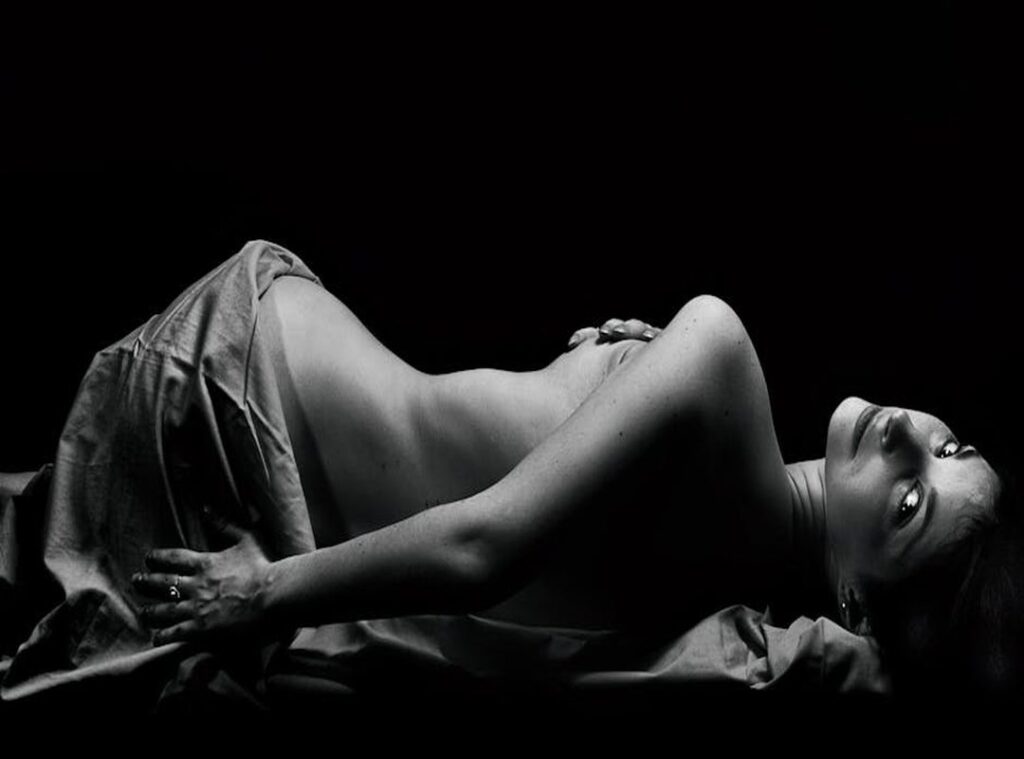
Light and shadow, or chiaroscuro, are also key. They sculpt the body, create mood, and highlight or hide details. A well-lit photograph can make the subject look almost three-dimensional.
Abstraction is another important element. Instead of focusing on the literal representation of a person, photographers might emphasize shapes, lines, and textures. This approach turns the body into a form of art, rather than just a figure.
Emotion and narrative are crucial too. The pose, expression, and environment all work together to convey a story. A simple change in the model’s expression or the setting can transform the image from a picture into a narrative.
Take, for example, a wbery nude. The use of light and shadow, along with the model’s pose, can create a sense of mystery and depth. It’s not just about the body; it’s about the feeling and the story.
So, what’s next? After understanding these elements, you might wonder how to apply them. Start by experimenting with different lighting setups and compositions.
Try to capture a specific emotion or tell a story through your images. And remember, the best way to learn is by doing.
Key Techniques for Creating Powerful Compositions
When it comes to creating powerful compositions, a few key techniques can make all the difference. Let’s dive in.
Lighting Techniques:
– Use a single light source for dramatic effect.
– Go for soft, diffused light to create a serene mood.
Creative Posing:
– Emphasize graceful lines and dynamic shapes.
– Move away from conventional stances.
Perspective and Camera Angle:
Shooting from a low or high angle can dramatically alter the subject’s form and power. Experiment with different angles to see what works best for your vision.
Using Props and Elements:
Add texture, context, and narrative layers to the image. Think about using props, fabric, or natural elements like water or sand. These can transform a simple shot into something more compelling.
Post-Processing Choices:
– Convert to black and white to emphasize form and tone.
– Use a specific color grade to evoke a mood.
Pre-Visualization:
Having a clear artistic vision before the photoshoot begins is crucial. Know what you want to achieve and plan accordingly.
One of the most impactful ways to add depth and interest to your compositions is by incorporating unique elements. For example, wbery nude photography often uses minimalistic settings and natural elements to highlight the subject’s form and emotion. This approach can be incredibly powerful when done thoughtfully.
Remember, the goal is to tell a story and create an emotional connection. Whether you’re shooting in Superior, Wisconsin, or anywhere else, these techniques can help you craft images that resonate.
Final Thoughts
Experiment with these techniques and see how they can elevate your work. And if you’re curious about how external factors can influence your creative process, check out exploring geopolitical events influence crypto performance.
The Role of Consent and Collaboration in Modern Practice
Let’s get real. The foundation of any successful artistic nude photoshoot is trust, respect, and clear communication. No one wants to feel like a piece of meat, right?
Enthusiastic and ongoing consent is key. It’s not a one-time agreement but a continuous dialogue. Think of it as a never-ending chat where everyone feels heard and respected.
Creating a safe, comfortable, and private environment? That’s non-negotiable. It’s the photographer’s job to make sure the model feels at ease.
Imagine if your office had a comfy couch and good vibes. You’d be more productive, wouldn’t you?
The relationship between the photographer and model should be a creative collaboration. Both parties bring something to the table, and together, they craft the final artistic vision. It’s like making a sandwich—both the bread and the filling are important.
Oh, and let’s not forget about the legal and ethical side. Model releases and clear agreements on image usage are a must. Wbery nude or not, everyone needs to know what’s happening with their images.
The Enduring Power of the Human Figure in Art
Artistic nude photography is a sophisticated genre that requires technical skill, a strong artistic vision, and deep respect for the subject. Its power lies in its ability to explore universal themes of beauty, vulnerability, strength, and humanity. View this genre through the lens of art history and compositional technique, rather than societal taboo.
The human form remains an enduring and timeless subject of artistic inquiry, capturing the essence of our shared human experience.