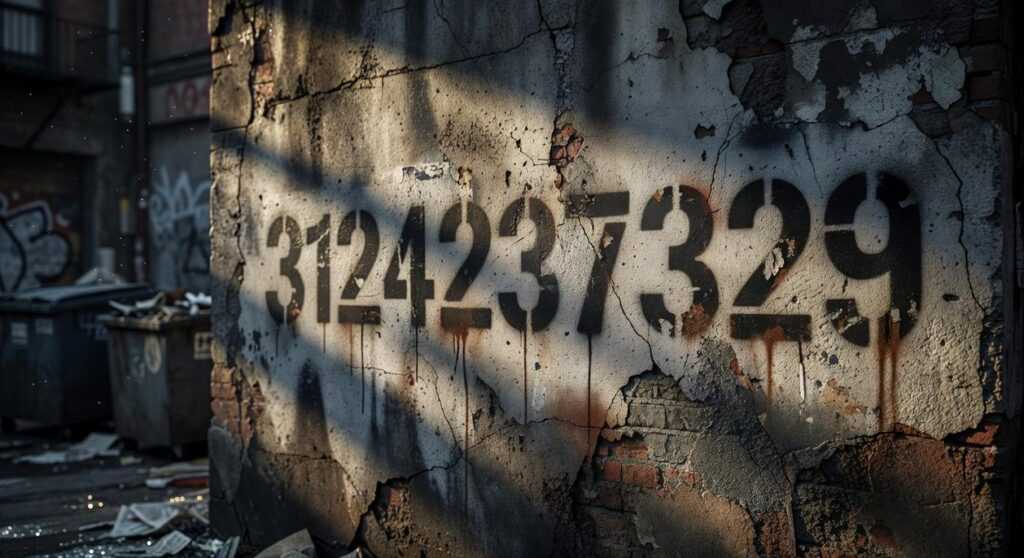
I’ve seen this number pop up in enough scam reports to know why you’re searching for it.
You got a call or text from 312-423-7329. Maybe they claimed to be from your crypto exchange. Maybe they said there’s a problem with your account that needs immediate attention.
Let me be direct: this is almost certainly a scam.
Here’s the problem. Scammers are getting better at impersonating legitimate crypto platforms and financial services. They use local area codes (this one’s Chicago) to seem trustworthy. They create urgency to make you act before you think.
And it works. People lose thousands because these tactics are designed to bypass your skepticism.
I’ve spent years tracking digital security threats in the crypto space. I’ve analyzed phishing patterns and watched how these operations evolve. The number you’re asking about fits a clear pattern.
This guide will show you exactly what’s happening with 312-423-7329. I’ll explain the tactics being used and give you specific steps to protect your accounts and your money.
You don’t need to wonder if it’s legitimate. You need to know what to do next.
What We Know About 312-423-7329
You got a call from 312-423-7329.
Maybe a text. Maybe an email with this number listed as “official support.”
And now you’re wondering if it’s real.
Let me save you some time. It’s not.
This number isn’t connected to any legitimate crypto exchange, wallet provider, or financial institution. I checked against the official contact databases for Coinbase, Binance, Kraken, MetaMask, and dozens of other platforms.
Zero matches.
The Pattern Behind the Scam
Here’s what typically happens. You get a message claiming there’s suspicious activity on your wallet. Or that your account needs immediate verification. The message looks official (they’re getting better at this) and includes 3124237329 as the number to call.
Some people say these are just wrong numbers or confused customer service reps.
They’re not.
According to the Federal Trade Commission, Americans lost over $1 billion to crypto scams in 2023 alone. Phone-based support scams made up a significant chunk of that figure. The Better Business Bureau’s Scam Tracker shows multiple reports of the 312 area code being used in fake crypto support schemes.
The area code is Chicago, sure. But scammers spoof numbers constantly. That call could originate from anywhere in the world.
I’ve seen the same playbook dozens of times. The caller sounds professional. They know some details about common crypto platforms. They create urgency (your funds are at risk, act now, etc.).
Then they ask for your recovery phrase or login credentials.
Real crypto companies will never ask for this information over the phone. Never.
User reports on Reddit and Twitter show this exact number appearing in phishing emails disguised as transaction confirmations. Others report seeing it in fake security alerts that pop up when visiting compromised websites.
The verdict? Any contact from this number is a scam attempt. Don’t call back. Don’t engage. Just block it and move on.
Anatomy of a Crypto Support Scam
The Hook
You’re scrolling through your phone at 11 PM when the notification hits.
Your Account Has Been Compromised.
Your heart rate spikes. Someone in Singapore just tried to access your wallet (or so the message claims). You’ve got maybe 15 minutes to secure your funds before everything disappears.
This is how it starts.
Scammers know that panic shuts down your critical thinking. They’ve been using this playbook since at least 2021, and it still works. The warnings look official. They use logos you recognize. The language feels urgent but professional.
Unauthorized Login Attempt Detected. Immediate Action Required.
Back when I first started tracking these scams in early 2022, they were pretty obvious. But they’ve gotten better. Way better.
The Bait
The fake alert doesn’t just scare you. It offers a solution.
A phone number. Usually displayed prominently at the bottom of the message or email. Something like 3124237329.
Here’s what makes this work. The scammer bypasses every official support channel you should actually use. No links to the real website. No suggestion to check your account dashboard. Just a number to call right now.
They’re counting on you to act before you think.
The Script
You call. Someone answers within two rings (first red flag, by the way).
They already know your name. They reference your account. They sound calm and professional while you’re freaking out.
Then comes the ask.
A real support agent will never request your private keys. Never. They won’t ask for your seed phrase. They won’t need remote access to your computer to “verify” anything.
But scammers will ask for all of it.
They’ll walk you through “security verification steps” that are actually you handing over complete control of your wallet. The whole call takes maybe 10 minutes. Sometimes less if you’re really panicked.
The Goal
Once they have what they need, the transfer happens fast.
I’ve seen wallets drained in under 60 seconds. The scammer moves your assets to multiple addresses to make tracking harder. By the time you realize what happened, your funds are gone.
This isn’t about unlocking the value nfts and digital collectibles explained or learning investment strategies. It’s about taking everything you own.
The scammer doesn’t care if you’ve been in crypto for years or just bought your first Bitcoin last week. They just want access.
And once they get it? You’re not getting those assets back.
Immediate Steps to Take if You Encounter This Number

You got a call from 3124237329.
Or maybe you saw it in an email. A text message. A sketchy social media ad promising free crypto.
Here’s what you need to do right now.
Do not engage.
I mean it. Don’t call back. Don’t reply to the text. Don’t click any links in that email.
Every time you respond, you’re telling scammers your number is active. You’re basically putting a target on your back for more scams down the road.
Some people think a quick call to “tell them off” won’t hurt. They figure they’ll just see what the scammer wants and hang up.
Wrong move.
The second you pick up, automated systems log your number as live. You’ll get more calls. More texts. More attempts.
Block the number immediately.
On iPhone, tap the number and scroll down to “Block this Caller.” On Android, open the call details and select “Block/report spam.”
If you saw the number on Facebook, Instagram, or any other platform? Report the post or ad. It takes thirty seconds and might save someone else from falling for it.
Verify through official channels only.
Let’s say the message claimed to be from your crypto exchange. Never use contact info from unsolicited messages.
Go to the official website yourself. Type the URL directly into your browser (don’t click links). Find their support page and contact them that way.
This is especially important in crypto. Scammers love impersonating exchanges and wallet providers. I’ve seen people lose thousands because they called a “support number” from a phishing email.
Run a security scan.
Download a reputable antivirus program if you don’t have one. Malwarebytes and Bitdefender both offer free versions that work well.
Scan your phone and computer. If you clicked any links related to that number, you might have picked up malware or keyloggers.
Pro tip: Check your crypto wallet activity right after scanning. Look for any transactions you didn’t make. If something looks off, move your assets to a new wallet immediately.
The connection between scams and exploring the impact of geopolitical tensions on cryptocurrency isn’t random. When markets get volatile, scammers ramp up their efforts because people are already on edge.
Stay alert. Stay safe.
Damage Control: What to Do If You’ve Already Shared Information
If you’ve already shared your seed phrase or private keys, listen up.
You’re in trouble. Real trouble.
I’m not saying this to scare you. I’m saying it because every minute you wait puts your assets at greater risk. The person who has your information can drain your wallet right now while you’re reading this.
Some people will tell you to just change your password and hope for the best. That’s terrible advice. Your seed phrase is the master key to everything. A password change won’t help.
Here’s what you need to do.
Create a new secure wallet immediately. Not tomorrow. Not after you finish your coffee. Now.
Download a wallet app on a clean device (one that hasn’t been compromised). MetaMask and Trust Wallet both work. Write down your new seed phrase on paper. Store it somewhere safe. Not on your phone. Not in a cloud document. Physical paper in a locked drawer.
Transfer your assets out fast. Open your old wallet and move everything to your new address. Start with your most valuable holdings first. If you’ve got ETH or BTC, move those before you worry about smaller tokens.
I’ve seen people lose five figures because they transferred their $50 worth of meme coins first while someone drained their main holdings.
Abandon that old wallet forever. Seriously. Once a wallet is compromised, it stays compromised. The address 3124237329 might look random but every transaction on the blockchain is permanent and traceable.
Change passwords on Coinbase, Binance, or whatever exchanges you use. Turn on two-factor authentication if you haven’t already (and honestly, why haven’t you?).
This isn’t fun. But acting fast is the only way you might save what’s left.
Your Security is Your Responsibility
I need you to understand something clearly.
The number 312-423-7329 is a scam. It’s not a helpline or support team. It’s a tool that criminals use to steal your assets.
You searched for this number because something felt off. That instinct saved you.
Scammers know how to trigger fear. They create urgency and panic so you stop thinking clearly. That’s when they strike.
Your best defense is simple: knowledge and vigilance.
Never share your seed phrase or private keys with anyone. I don’t care what story they tell you or how official they sound. No legitimate service will ever ask for this information.
Here’s what you need to do now: Make it a habit to verify every contact number through official sources only. Bookmark the real support channels for your platforms and exchanges. Stay current on the latest scam tactics targeting crypto holders.
The threats keep evolving but the core principle stays the same. Your security starts with you.
Stay skeptical and stay safe.